Navarre’s food is best understood as a way of reading the territory rather than a list of dishes. A market, preserve, pintxo bar or landscape around a product can say as much as a monumental visit. Between the Pyrenees, Pamplona basin, middle zone and Ribera, climate, crops and food traditions change—and so do the ways people gather around a table.
This is a cultural guide to products and landscapes, not a promise of included restaurants, wineries or visits. Seasons, hours and availability change. Choose an area, ask questions, reserve directly where necessary and let the real product of the moment shape part of the journey.
What defines Navarre gastronomy?
Territorial diversity is central. Northern mountains and valleys connect with grazing, forests and dairy traditions; the middle zone brings cereals, vines and market gardens; the Ribera is known for vegetables and irrigated agriculture. Pamplona is a meeting point where products, recipes and cooking traditions from different areas coexist.
Pamplona: a first stop between market, bar and table
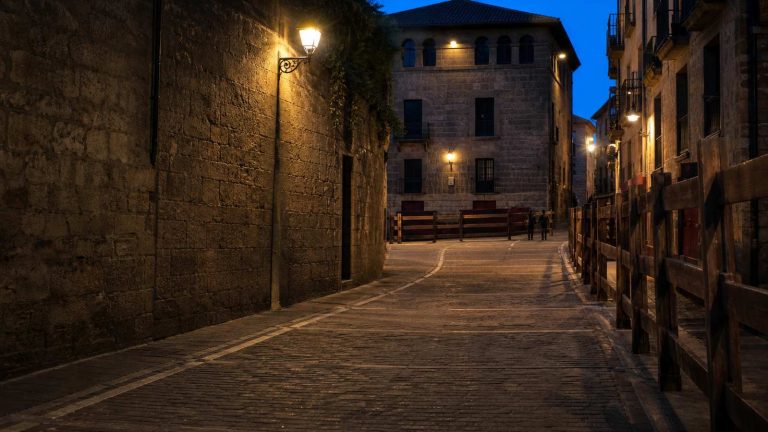
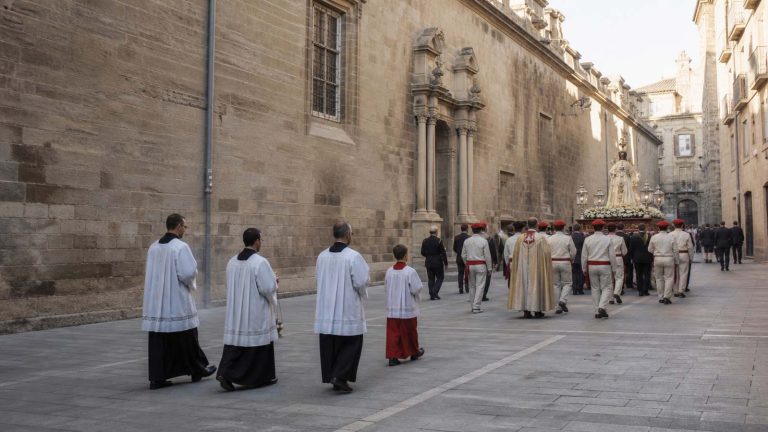
Pamplona is a good starting point because you can approach food culture without leaving the city. Santo Domingo Market offers a view of everyday produce; pintxo bars offer another, quicker urban conversation around food. They are not equivalent: one speaks of ingredients and supply rhythms, the other of preparation, encounters and shared time.
Txistorra, pochas, ajoarriero and seasonal vegetables appear in Navarre’s culinary landscape. There is no need to turn every pause into a tasting. One unhurried meal, attention to what is in season and time to walk the city often reveal more than a crowded list of stops.
The Ribera and its market gardens
The Ribera provides one of the clearest ways to understand the relationship between land and cuisine. Asparagus, artichokes, lettuce hearts, peppers and other vegetables are strongly associated with the area. The point is not to collect every famous name but to notice what the time of year actually offers.
Seasonality matters. A fresh product and a preserve may belong to the same tradition but offer different experiences. Do not assume every emblematic vegetable will be at harvest peak in July; ask about origin, preparation and season.
Cheeses, mountains and knowledge of origin
In the north, valleys, pasture and livestock traditions give food another character. Roncal and Idiazabal cheeses are important references. Read labels and ask about origin, production and storage rather than treating them as compulsory souvenirs. Quality designations identify particular conditions; they do not make every similar product identical.
Visits to producers and cheesemakers must be checked directly. Do not presume public access, tastings or tours without a confirmed appointment.
Wine, the middle zone and the importance of asking
Winery visits, tastings and related activities depend on their own calendars, capacity and conditions. Confirm times, language, transport, age requirements where relevant and whether booking is needed directly with the place you choose. Careful food travel begins with that accuracy, not with an assumption that everything is available.
Choose food by the season of your trip
The useful question is not “what must I try?” but “what is the territory saying when I travel?” Spring may lead towards garden produce; summer towards available products, markets and urban cooking; autumn towards harvests or mushrooms that must be verified; winter towards stews, cheeses and slower meals. These are cultural orientations, not fixed availability promises.
Design a food route without doing too much
Decide what draws you most: Pamplona’s market and urban cooking, Ribera vegetables, wine in the middle zone, or cheese and mountain landscapes in the north. Then consider travel time, season and distance. A balanced route leaves time to sit, walk and talk; it does not spend most of the day in a car or string together unconfirmed visits.
If you want to include food interests in a broader journey, share dates, group size and what you would like to understand. That helps frame a conversation but does not confirm restaurants, suppliers, visits or booking conditions.
What to check before booking a table or visit
Confirm opening times, group size, booking terms and information relevant to your party. Communicate allergies, intolerances or dietary needs directly and request confirmation from the establishment. For visits, also ask about duration, access, language and any requirements. These checks create calmer, more realistic travel.
Navarre is not defined by a single dish or a fixed menu. Its food changes with the landscape, season and the people producing it: market gardens in the Ribera, cheeses from mountain areas, wines from different zones and the cooking of Pamplona’s bars and dining rooms. Asking what is in season is often the most useful place to begin.
In Pamplona, a market, a bar and a table can each offer a different entry point. Rather than trying to visit every celebrated address, choose a few places that suit the rhythm of your day and leave room to notice local produce, service and conversation. Reservations, opening times and menus should always be confirmed directly with each venue.
A food route works best when it is not overplanned. Build it around one or two interests, a realistic distance and the season of your visit. That leaves time for the unexpected: a recommendation, a market stall, a conversation or a landscape that turns the meal into a fuller understanding of the territory.
Frequently asked questions about Navarre gastronomy
Which products represent Navarre?
Ribera vegetables, cheeses such as Roncal and Idiazabal, wines, txistorra, pochas and traditional dishes are useful starting points; season and location should guide the choice.
Where should I begin in Pamplona?
Santo Domingo Market, pintxo bars and one unhurried meal can offer a balanced introduction alongside a walk through the city.
Is every Navarre product in season during San Fermín?
No. Fresh availability changes during the year. Ask about season, origin and the current menu.
Does this guide recommend specific restaurants or wineries?
No. It offers editorial context. Verify every table, winery, producer or activity directly before relying on it.
Can I include food interests in a travel enquiry?
Yes. Share dates, group and interests; dietary needs must always be communicated and confirmed directly with the chosen establishment.