When San Fermín ends, Pamplona does not lose its character; it changes pace. The streets become easier to walk, the old quarter’s details return to view and the city can be experienced through walls, parks, museums, markets and unhurried meals. Staying an extra day is not an afterthought: it is a way to understand the place that hosts the festival.
Begin in the old quarter
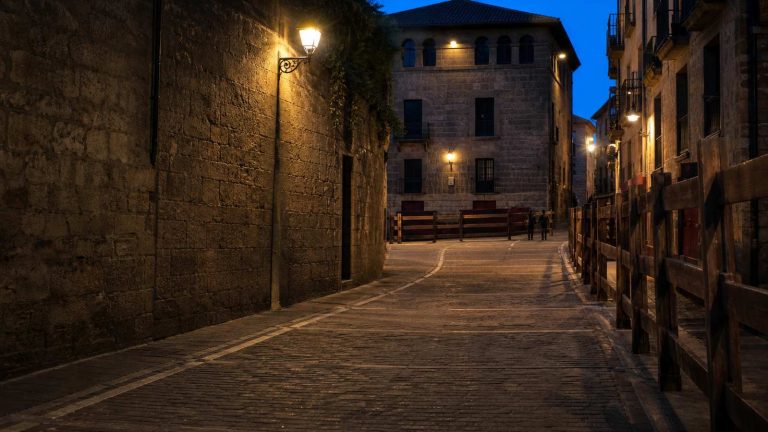
Start with a calm walk through the historic centre. Town Hall Square, the route towards Mercaderes and Estafeta, small side streets and the cathedral surroundings all take on another scale once festival movement has eased. The aim is not to tick off every landmark, but to notice how streets used for large collective moments also carry everyday life.
Walls, the Citadel and a city made for walking
Pamplona’s walls and the Citadel give a clear sense of its historic geography. They offer space, perspective and a useful contrast with the dense old quarter. Allow time to walk rather than treating the green areas as a quick transition between attractions; they help explain how the city is structured.
Museums, heritage and small cultural pauses
Museums and heritage sites can be a good choice after the festival, but opening times, exhibitions and access conditions must be checked directly for the dates of your visit. Choose one or two places that genuinely interest you rather than assuming every venue will follow a normal schedule immediately after a major public event.
Eat, talk and notice the local pace
A market visit, pintxos at a bar or a meal with enough time to sit down can be part of a cultural route through Pamplona. Do not turn the city into a list of compulsory stops. Ask what is in season, make direct reservations where needed and leave time between plans. Food becomes more revealing when it accompanies the neighbourhood and the conversation rather than replacing them.
When the festival ends, the way you see the city changes
After San Fermín, the contrast is one of the city’s most interesting lessons. Places known from broadcasts or crowded photographs return to their ordinary use. This does not make them less important; it makes their everyday scale visible. Walk the Running of the Bulls route without the pressure of the morning, notice its turns and slopes, and remember that these streets are lived in year-round.
An unhurried day to extend your visit
A balanced extra day might include a slow old-town walk, one cultural visit subject to current opening information, a meal and time in the Citadel or along the walls. Avoid building an overpacked itinerary. Pamplona after San Fermín rewards attention more than speed.
Continue into Navarre with a cultural perspective
Pamplona can be a base for discovering other parts of Navarre, but distances, public transport, opening hours and visits must be checked for each real plan. Choose one direction—mountain valleys, the middle zone, the Ribera or a food-focused route—rather than treating the territory as a single day trip.
Outside festival days, the old quarter invites a slower kind of attention. Notice how streets connect the Town Hall, the cathedral area, the market, smaller squares and the city walls. Walking without trying to turn every stop into a checklist is one of the best ways to understand Pamplona’s scale.
The Citadel and surrounding green spaces offer another perspective on the city. Museums, historic buildings and small places to pause can be fitted around your own interests and opening times. Check current access information rather than relying on an old recommendation, especially when travelling around a public holiday or event.
Extending a visit also means allowing ordinary life back into the picture: a table at an unhurried hour, a conversation with a local business, a walk along the walls or a route into Navarre. The city after San Fermín is not an afterthought; it is another way of understanding the place that hosts the festival.
The old quarter also becomes easier to read after the busiest days. From Town Hall Square, follow the streets towards the cathedral area without trying to reproduce a festival itinerary. Notice the scale of small squares, the routes towards the market and the way the walls reappear at the edge of the centre. This is not a substitute for checking current opening information; it is an invitation to let walking reveal connections that crowd movement can hide.
Choose cultural stops according to your own interests and the time you genuinely have. A museum, a historic building or a local exhibition can deepen the day, but one considered visit is often more useful than a rushed sequence. Confirm hours directly, especially close to public holidays, and leave time for the simple transition between a visit, a meal and a walk.
If you continue into Navarre, treat Pamplona as a starting point rather than a checklist. Pick one direction, check transport and the current arrangements of the place you want to visit, and allow the landscape to set the pace. A realistic route creates room for conversation and observation instead of turning the final day of the journey into an unconfirmed schedule.
Frequently asked questions about Pamplona after San Fermín
Is it worth staying after the festival?
Yes, if you want to see Pamplona at a calmer pace and understand the city beyond the main festival events.
What can I see in one extra day?
The old quarter, walls, Citadel, one cultural visit subject to its current opening times, and an unhurried meal make a balanced day.
Are museums open after San Fermín?
Check each museum directly. Hours, exhibitions and post-festival opening arrangements may vary.
Can Pamplona be a base for Navarre?
It can, provided you plan realistic distances, transport and the current arrangements of each destination.
What changes when the festival ends?
The city’s pace, movement and access return gradually to everyday life, allowing its streets and heritage to be seen differently.